Press
How Wealthy Women Are Driving a New Era of Luxury Real Estate
Affluent female buyers are emerging as an influential force, driving demand for full-service buildings, wellness and lifestyle amenities, and long-term investments.
The buying and selling of high-end real estate has traditionally been shaped by the preferences of wealthy couples, legacy families, and deep-pocketed male buyers. But a major shift is unfolding at the top of the market, as affluent women increasingly drive purchases, influence design priorities, and, in the process, redefine what luxury living looks like.
From $6 million branded residences in Miami to waterfront condominiums in Brooklyn and full-service homes inside five-star hotel towers, well-to-do women are making some of the market’s biggest real estate decisions not only for themselves but also for their parents, children, investment portfolios, and estate planning.
According to the National Association of Realtors, single women now account for roughly 21 percent of homebuyers, compared to just 9 percent for single men. More than 20 million single women own homes across the U.S., significantly outpacing the roughly 14 million single men who do.
At the uppermost end of the market, the numbers become even more striking. Coldwell Banker reports that women with net worths exceeding $5 million now own 15 percent of luxury homes nationwide, a figure brokers say continues climbing as more women build wealth independently through high-powered careers, entrepreneurship, and generational wealth transfers.
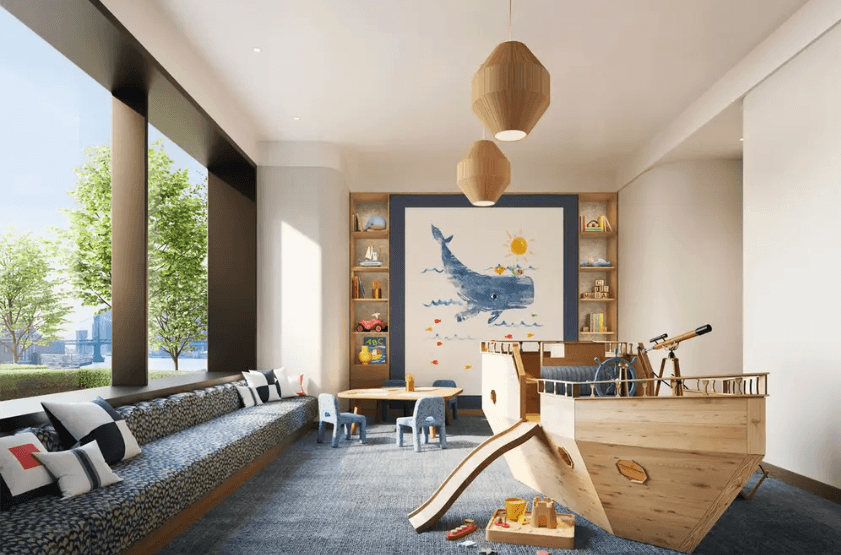
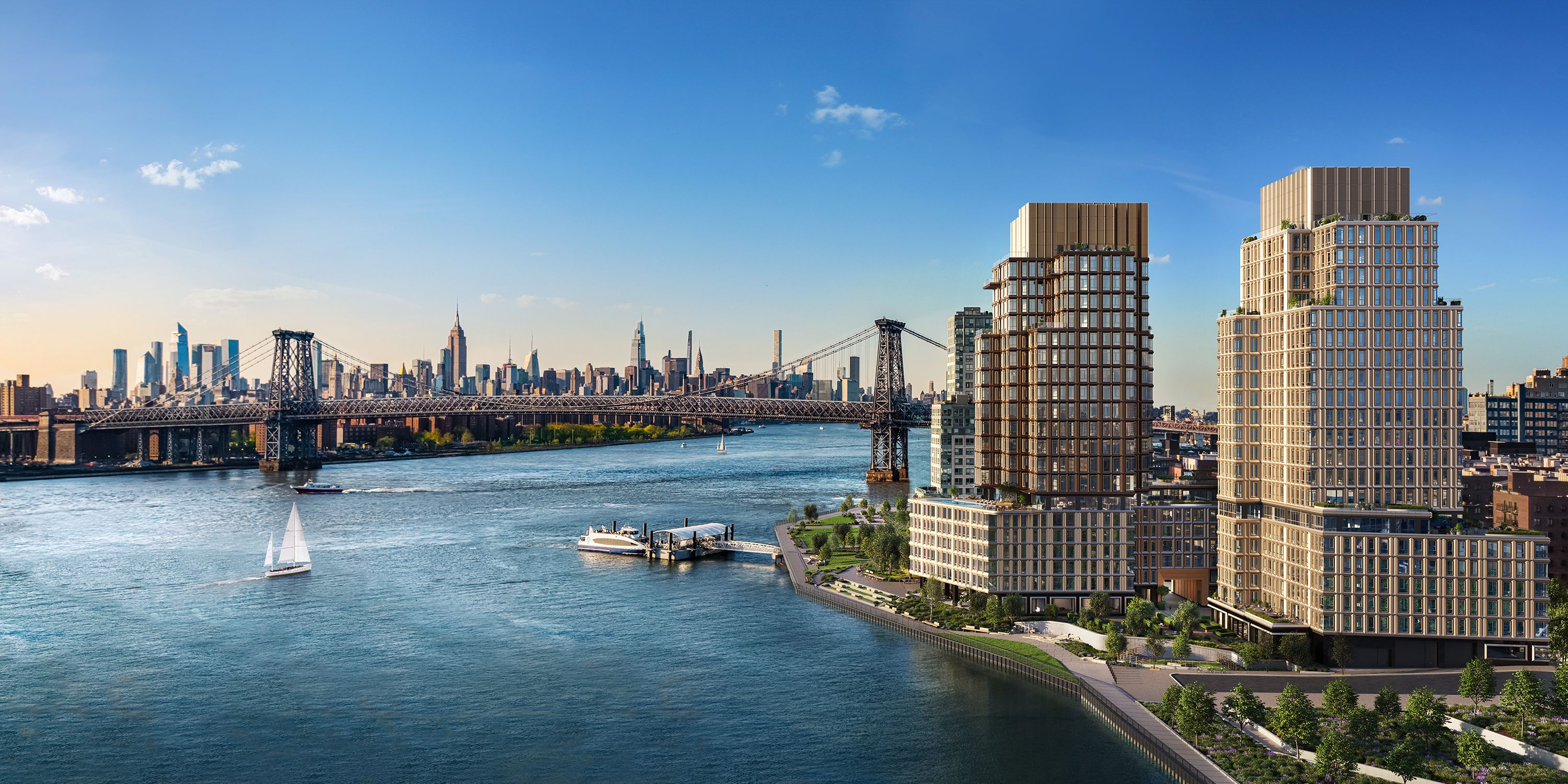
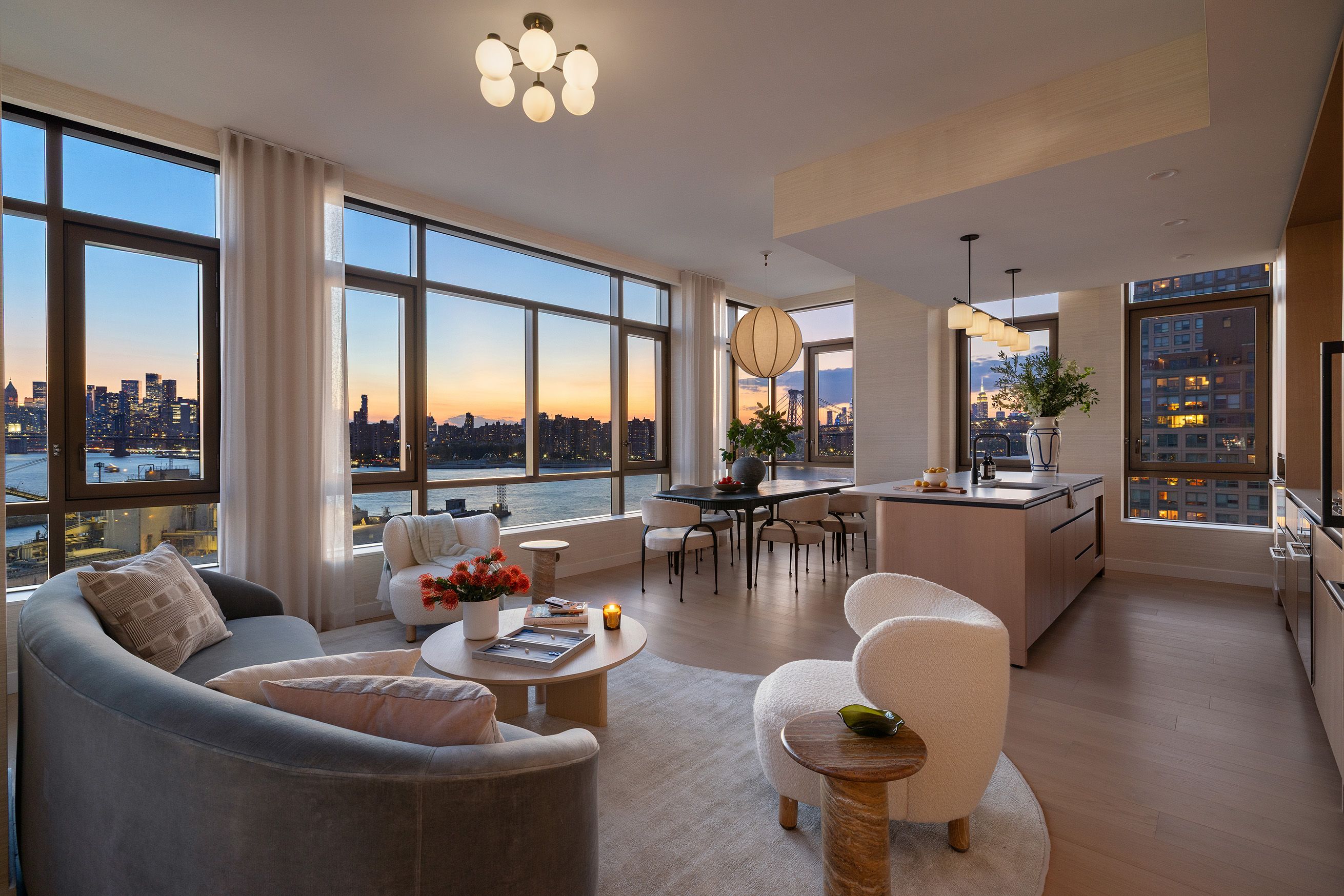
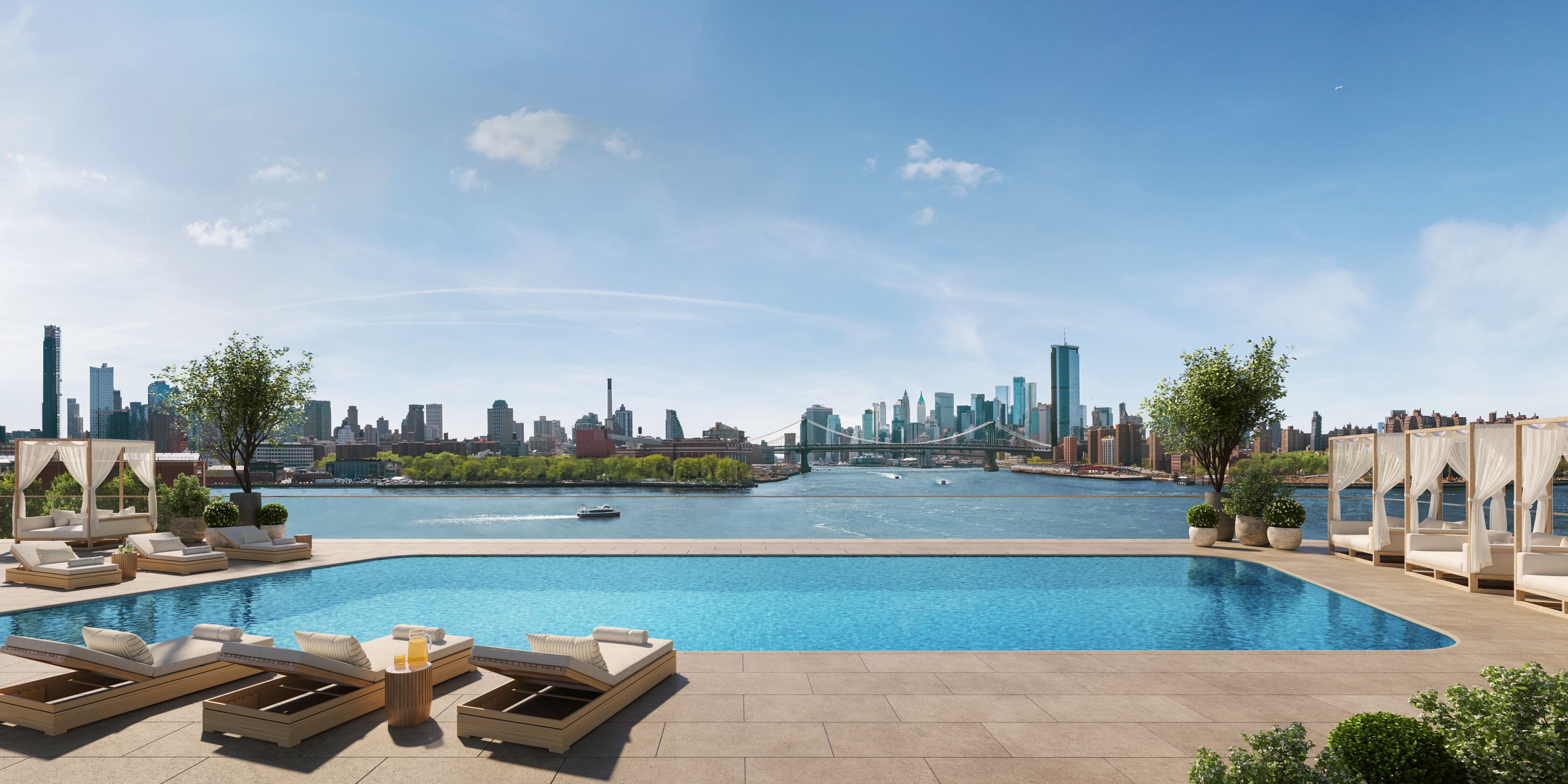
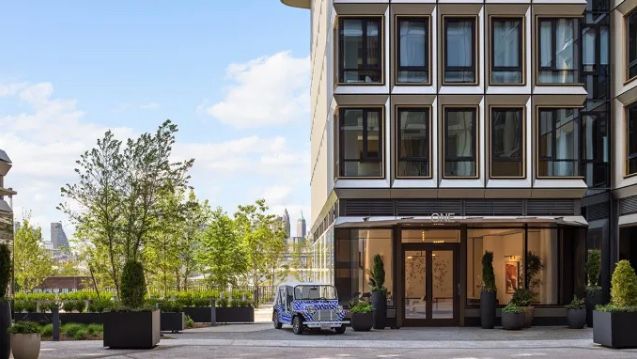
At One Williamsburg Wharf in Brooklyn, sales director Alexandra Newman says affluent women are emerging as one of the most influential buyer groups inside the new waterfront development, where residences are paired with more than 20,000 square feet of resort-style amenities overlooking the East River. “We’re definitely seeing a shift from where women used to influence decisions to now being the decision-maker,” Newman said. “In some cases, they are the breadwinner in the couple, and we’re seeing them solely making the decision.”
Many of the buyers Newman works with are entrepreneurs and executives seeking buildings that function as extensions of both their personal and professional lives, using hospitality-style amenities and entertaining spaces to host clients and investors, as well as more social gatherings. “These women are not making quick, rash decisions,” Newman said. “They’re really looking at it from an analytical perspective. But they also have a very strong want for a lifestyle-driven building.”
She goes on to say that the buyer mix has become increasingly varied. Many women are buying primary residences, but more and more are purchasing pieds-à-terre for work trips to New York, while others are adding condominiums to broaden their investment portfolios. In several cases, older women have purchased residences specifically to be closer to their adult children and grandchildren in the city.
One recent buyer Newman referenced was a younger professional who had spent years living near family in Queens while carefully saving money and building equity through inherited property. Rather than waiting for marriage or another milestone, the buyer purchased a waterfront two-bedroom at the development. “She chose herself,” Newman said. “They’re not waiting for a life event to happen in order to make a real estate purchase.”
Geography also appears to be shaping the trend. Newman believes New York City plays a unique role because of the city’s deep cultural fixation on real estate and status tied to homeownership. “New Yorkers are obsessed with real estate,” she said. “You rent the studio, then you want the one-bedroom, then the two-bedroom, then you’re looking to buy.”
For Jane Shi, luxury real estate wasn’t about acquiring the flashiest apartment possible. It was about securing long-term value for her family while investing in a lifestyle ecosystem that could evolve alongside them. Shi and her husband purchased a three-bedroom residence at 250 West 96th Street on Manhattan’s Upper West Side after relocating from Chicago to New York. With backgrounds in management consulting and private equity, the couple approached the search analytically, though Shi led the decision-making process.
“The starting point for us when we were looking at homes was usually clarity on sustainable value and drivers for growth, both financially and in life,” Shi said. Her husband, a trader, deferred to her judgment when it came to evaluating schools, neighborhood quality, community dynamics, and the property’s long-term livability.
Shi toured the building five separate times before committing, paying close attention not just to finishes and layout but to how residents interacted with one another in shared spaces and how the building functioned on an everyday level. “A lot of buildings are great at first impression, but I was more interested in how they function day-to-day,” she said. “Does it encourage an engaged community, or is it more aesthetic?”
That lens aligned with the building’s amenity package. Designed by architect Thomas Juul-Hansen, 250 West 96th Street features a 75-foot saltwater lap pool, a rooftop outdoor cinema, a squash court, a children’s playroom, spa facilities, dining lounges, and entertainment spaces aimed at creating a multigenerational community. “I think women have more sensitivity to the invisible value from a good social infrastructure,” Shi said. “Those are harder to quantify, but they shape the experience in a very real way.”
In Miami, women are becoming an increasingly visible group at higher price points. At the Four Seasons Private Residences Coconut Grove, where pricing begins around $6 million, chief marketing and sales officer Christine Martinez de Castro says she has watched more women emerge as the primary drivers behind ultra-luxury residential purchases over the last several years. “We have seen several purchases led entirely by women,” Martinez de Castro said. “That doesn’t necessarily mean they’re single, but they’re the ones driving the decision. If the wife falls in love with the Four Seasons, that’s it. There’s no conversation.”
Some buyers have purchased residences for themselves, while others are buying for family members. Martinez de Castro recalled one woman who purchased a unit specifically for her parents.
The development itself speaks directly to the kind of full-service luxury many female buyers are gravitating toward. The standalone Four Seasons-branded project in Coconut Grove includes just 70 waterfront residences alongside butler service, in-residence dining, grocery provisioning, and a sprawling Roman-inspired spa circuit with hammams, cold plunges, hydrotherapy pools, massage rooms, and yoga facilities.
For many affluent buyers, part of the appeal lies in the invisible infrastructure these developments provide. Branded residences and hospitality-driven towers increasingly function like fully managed ecosystems, offering everything from concierge teams and housekeeping to valet service, maintenance oversight, and 24-hour security—allowing owners to travel frequently or split time between multiple homes without worrying about day-to-day management or privacy.
Martinez de Castro says South Florida’s limited supply of luxury waterfront real estate only intensifies the demand. “Everybody loves waterfront living,” she said. “We have the Everglades on one side. We have the water on the other side. There’s only so much that you can purchase if you want luxury water views.”
In Nashville, women are also increasingly treating luxury real estate as a long-term wealth-building strategy rather than simply a lifestyle purchase. Kris Wylder, sales director for The Residences at The Nashville Edition, has assembled her own Tennessee portfolio over the last several years, including a primary residence in the bustling 12 South neighborhood, a rental property in leafy Green Hills, and a 24-acre horse farm in rural Franklin that’s currently under contract. “Flipping can be exciting and rewarding, but it can also be unpredictable,” Wylder said. “Holding properties, especially in a market like Nashville, gives you the opportunity to benefit from appreciation while also creating steady income.”
That same mindset is showing up among buyers at The Nashville Edition, a forthcoming 28-story hotel and residential tower in The Gulch slated to open in 2028. The project will combine 84 private residences with five-star hotel services including concierge access, spa treatments, valet parking, sports simulators, private dining spaces, and resident-only lounges. “As both an investor and sales director, I’m very intentional about building generational wealth for my daughter,” Wylder said. “That perspective fundamentally shifts how I evaluate every major financial decision I make.”
Women are also reshaping the luxury second-home market through more flexible ownership structures. For Los Angeles entrepreneur and working mother Noel Hyun Minor, purchasing a luxury vacation home in high-cost destinations like La Jolla initially felt financially unrealistic. Instead, she turned to Pacaso, the luxury co-ownership platform that allows buyers to purchase shares in professionally managed second homes. Pacaso homes come fully designed and staffed, outfitted with everything from stocked kitchens to concierge-style support and app-based scheduling systems that allow owners to swap stays in different destinations.
“Knowing I was interested in premium locations and experiences, a second home in a luxury market felt out of reach because we would normally have needed to bear the full cost of ownership,” Minor said. What started as one share eventually expanded into three, including properties in Park City, Utah. Minor said the decision was ultimately less about financial returns and more about creating an easier, more intentional luxury lifestyle for her family. “We ultimately understood it’s an investment in family and connection,” she said.
Together, these purchases reflect a broader shift in what affluent buyers increasingly expect from luxury real estate—homes designed not simply to impress, but to support the ways they actually live, with seamless access to an array of on-site luxury amenties. “There’s a shift away from legacy definitions of luxury toward something more intentional, more intuitive, and more reflective of real life,” Wylder said. “It’s less about preserving tradition, and more about creating spaces that support how people actually live today.”